
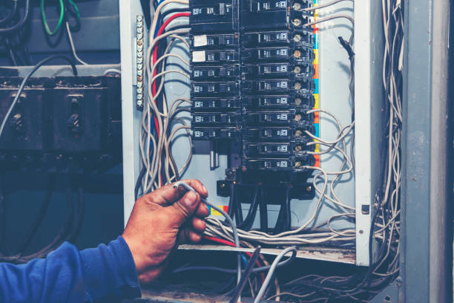
Moving into an older Glen Burnie home can feel exciting until you spot a tired-looking electrical panel in the basement or garage. The metal door might be a little rusty, the labels are half missing, and you start wondering if this box can really keep up with your family’s everyday power needs. That quiet worry is real, especially when you are about to invest a lot of money in the property.
In our area, many homes were wired decades ago for a very different way of living. Central air, home offices, gaming systems, and EV chargers were not part of the original plan. So even if the lights come on and the outlets work, you may still be asking yourself whether that old home electrical panel in your Glen Burnie house is safe, and whether it can handle what you want to plug in on day one and in the years ahead.
At Bailey & Shipp Electric, we have been working on older homes across Maryland, Washington DC, and Northern Virginia since 2006, and we see the same panel questions come up again and again in Glen Burnie. Our licensed, highly trained electricians evaluate and upgrade old home electrical panels every week, and we know what separates “old but fine for now” from “this really needs attention.” In this guide, we will share the questions and visual checks we use so you can walk into closing or move-in with a clearer picture.
Why Older Glen Burnie Homes Often Have Questionable Electrical Panels
Glen Burnie features a mix of housing, from mid-century bungalows to 1970s colonials and later additions. Many of these homes still have their original electrical panels or units that were replaced decades ago. These panels were designed for a time when a typical household had a single television, a few kitchen appliances, and perhaps a window air conditioner.
Modern electrical demands have changed dramatically.
- Today’s homes often run central air, multiple refrigerators, dishwashers, microwaves, electric dryers, gaming consoles, and computers all at once.
- Each device draws current, and combined, they place far more demand on panels than the original system was designed to handle.
Remodels can add hidden stress.
- Finished basements, enclosed porches, and upgraded kitchens are sometimes tied into existing circuits.
- Without careful planning, circuits can become overcrowded or extended, pushing breakers and wiring close to their limits.
- A home may feel perfectly normal, yet the panel could be operating near maximum capacity every evening.
Why professional evaluation matters:
- Our experience with older Maryland panels shows a clear pattern: homes may pass general inspections, but panels often reveal age, capacity, or condition issues upon closer inspection.
- Not every old panel is unsafe, but age alone is not a reliable indicator. A thorough evaluation helps you understand potential risks and informs decisions about upgrades or renovations.
First Look: Safe Visual Checks You Can Do Without Opening the Panel
Even without opening the panel, you can spot potential issues in an older Glen Burnie home:
- Panel cover condition: Check that the cover is intact and securely fastened. Loose, bent, or missing screws may expose live parts and suggest poor maintenance.
- Signs of moisture or corrosion: Rust, water stains, or damp placement (under plumbing or in a basement corner) are red flags. Corrosion can damage breakers and bus bars over time.
- Discoloration or heat damage: Darkened paint, melted plastic, or scorch marks around breakers indicate past overheating.
- Sounds and smells: A faint hum is normal, but crackling, sizzling, or burning odors are warning signs that require a professional.
Do not remove the cover yourself. Live parts inside can cause serious injury. Licensed electricians use proper tools, training, and safety gear to evaluate the interior. Your role is to note what you see, hear, or smell safely, then call a professional if something seems off.
Is Your Old Panel Big Enough? Understanding Amps and Capacity
A panel’s amp rating indicates how much electrical current it can safely handle:
- Most older Glen Burnie homes: 60–100 amps
- Updated or larger homes: 150–200 amps
You can often find the amp rating on the main breaker without opening the panel.
Why it matters:
- A 60-amp panel may have been sufficient decades ago, but modern homes with central air, multiple appliances, or EV chargers demand more.
- Overloaded panels may trip breakers frequently, signaling a need for more capacity.
Professional panel upgrades consider both current and future needs, avoiding repeated upgrades as your household grows.
Red Flags Inside an Older Panel That Require a Professional
Inside the panel, electricians look for conditions homeowners cannot safely see:
- Double-tapped breakers: Two wires under a single breaker screw, increasing heat risk.
- Overcrowding: Excess wires or improper tandem breaker use.
- Bus bar damage: Heat, pitting, or wear on the metal bar or breaker backs indicates long-term poor connections.
- Neutral/ground issues: Multiple neutrals under one screw or mixed grounds can reduce fault protection.
A trained professional identifies these issues and recommends safe, practical corrections.
Key Questions to Ask About an Old Panel Before You Move In
When buying or renting, ask:
- When was the panel last replaced or evaluated?
- Have breakers tripped frequently or outlets felt hot or flickered?
- Is the panel sized to support central air, a finished basement, or an EV charger?
- Where are GFCI and AFCI protections installed?
Answers help you gauge potential upgrades and safety needs.
Planning Ahead: When an Electrical Panel Upgrade Is Worth It
Not every old panel needs immediate replacement. Prioritize based on:
Address Now:
- Scorch marks, melted plastic, rust, frequent tripping, or burning odors.
Plan Soon:
- Older panels with limited capacity, aging 100–150 amp service, or upcoming high-demand projects like central AC, EV charging, or basement renovations.
A properly sized panel supports modern living safely and avoids temporary “workarounds” like overfusing or power juggling.
When to Call a Licensed Electrician
Call immediately if you notice:
- Burning smells, loud buzzing, sizzling, or smoke near the panel
- Heat at the panel door or breaker handles
- Breakers tripping repeatedly under normal loads
Schedule a professional evaluation if:
- The panel is very old or low capacity
- It looks crowded or shows rust/moisture
- You plan major appliance or renovation projects
A full evaluation includes inspecting breakers, bus bars, wiring, labeling, and distribution to match your lifestyle and planned electrical loads.
Pro Tip: Take clear photos of the panel with the cover closed and note any recurring issues. Sharing this helps electricians focus on the most important concerns.
Get Clear Answers About Your Old Home Electrical Panel in Glen Burnie
An older electrical panel does not automatically mean your Glen Burnie home is unsafe or unlivable. It does mean you should take a closer look at its condition, capacity, and history before you start plugging in modern loads or investing in big upgrades. By combining simple visual checks, pointed questions for sellers and inspectors, and a focused visit from a licensed electrician, you can turn that nagging uncertainty into a concrete plan.
If any of the red flags or capacity concerns in this guide sound familiar, or if you just want a professional set of eyes on an old home electrical panel before or shortly after move-in, we are ready to talk. We evaluate and upgrade panels across Maryland every day, and we tailor our recommendations to how you actually use your home and what you want to add in the future.
Call (410) 457-3507 to talk with Shipp Electric about your Glen Burnie home’s electrical panel.